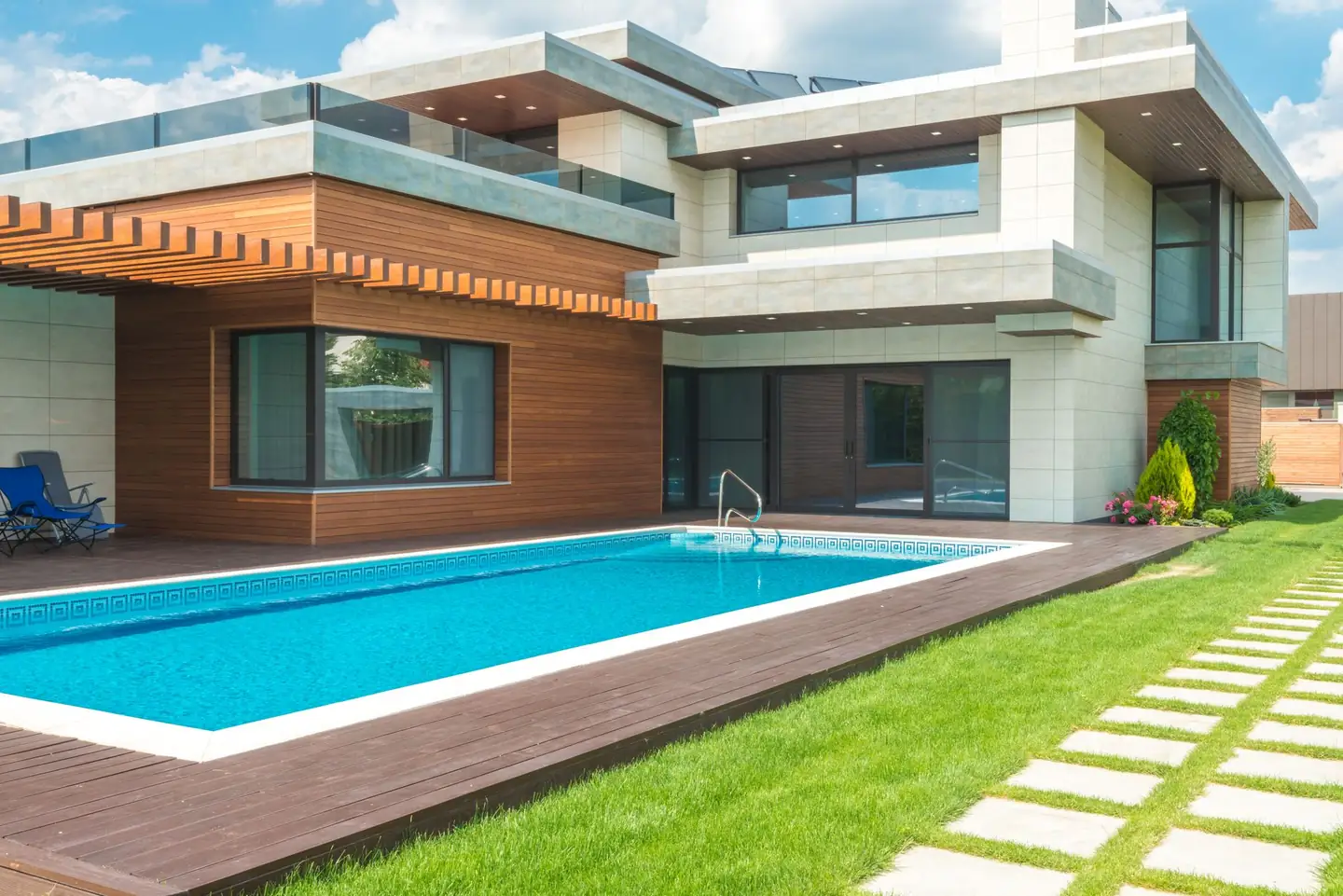
Our Pool Building Services in Palerang
-
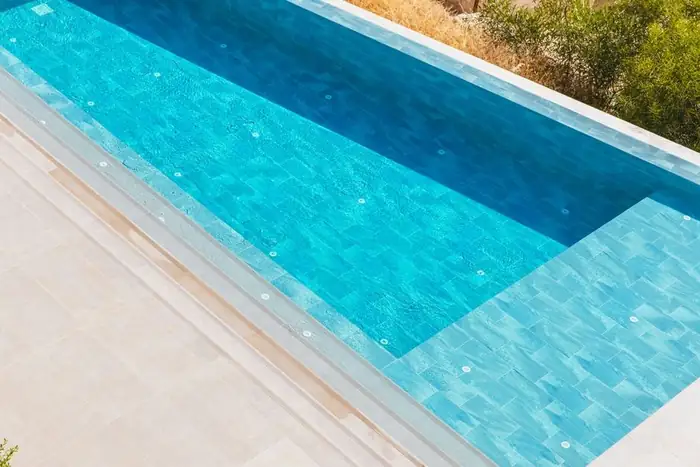
Concrete Pool Construction in Palerang
Bespoke concrete pools for Palerang, with infinity edges, beach entries and split levels that prefabricated shells simply cannot match.
-
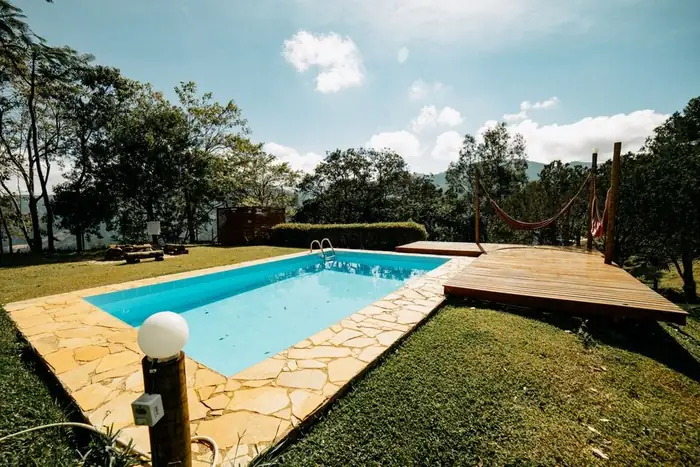
Fibreglass Pool Installation in Palerang
Fast, low-maintenance fibreglass pools craned into place for Palerang homes, and often swim-ready within one to two weeks.
-
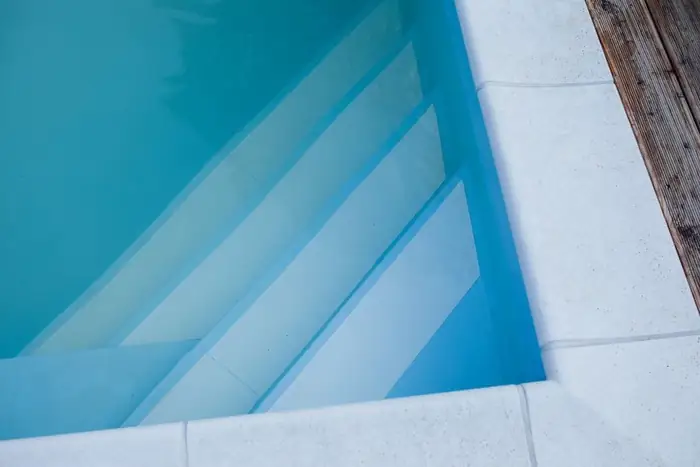
Plunge Pool Construction in Palerang
Space-smart plunge pools for Palerang, often fitted with swim jets, heating and built-in seating for year-round use.
-
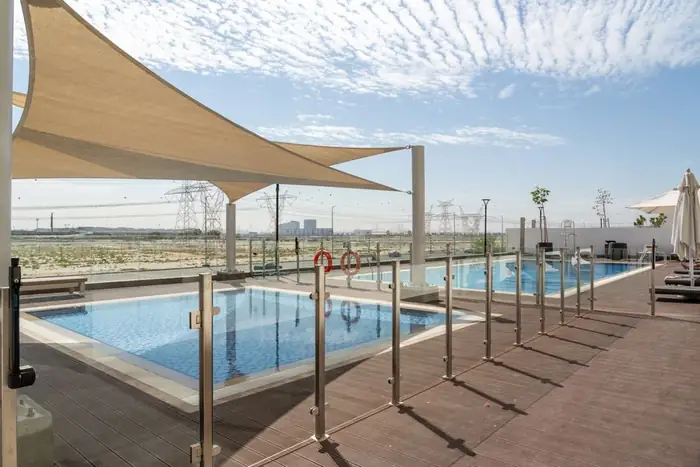
Pool Fencing & Safety Barriers in Palerang
Glass and aluminium pool fences engineered for Southern Highlands and Shoalhaven conditions and certified for the NSW Swimming Pools Register.
-
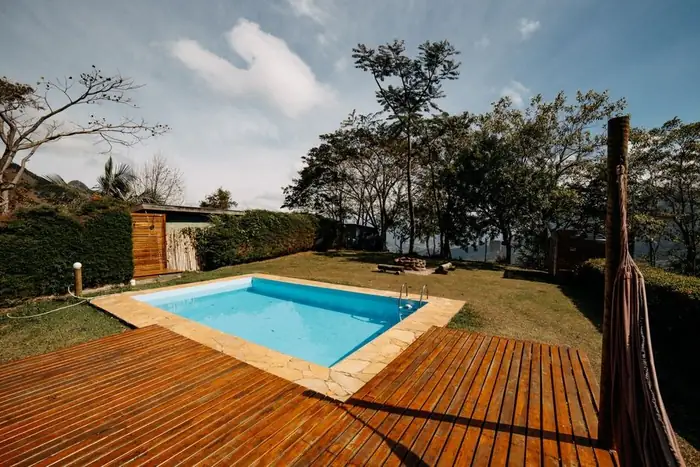
Pool Decking & Paving in Palerang
Pool surrounds for Queanbeyan-Palerang Regional blocks: travertine, porcelain and concrete pavers or timber and composite decks that last.
-
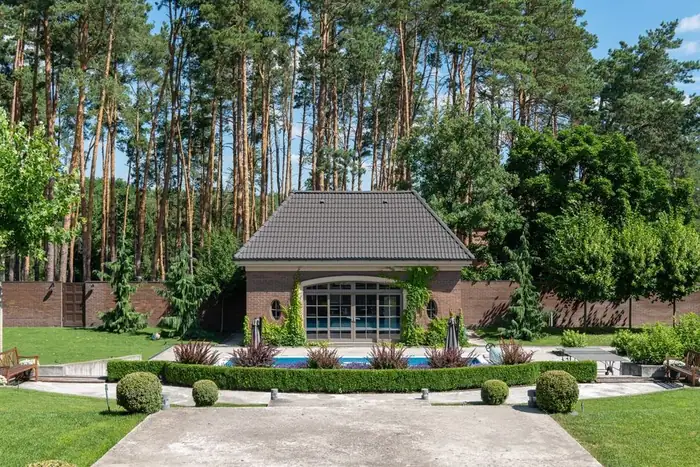
Pool Landscaping & Surrounds in Palerang
Pool surrounds designed for Queanbeyan-Palerang Regional blocks and the Southern Highlands and Shoalhaven climate, using durable, low-maintenance materials around the water.
Building a Swimming Pool in Palerang
A pool build in Palerang 2622 brings together design, approval and construction, and a local builder manages each so they connect cleanly. The first stage is understanding the site, since access, soil type and the slope of the land shape what can be built and how. From there comes the design, the approval, then excavation, the steel and plumbing, the shell itself, the safety fencing, and the paving and interior that complete the pool. Concrete and fibreglass each have their place: concrete gives full freedom over shape and depth, while fibreglass suits homeowners who want a quicker install with lower upkeep. A builder working across Queanbeyan-Palerang Regional can advise on which fits a given block and budget. The Southern Highlands and Shoalhaven climate makes a pool a practical addition rather than a luxury, giving a household a way to use its yard through the long warm season and often lifting the value of the property. Approval typically follows either a Complying Development Certificate through a private certifier or a Development Application with the Queanbeyan-Palerang Regional council, depending on the site. With the stages planned in advance and the trades coordinated on the ground, a Palerang pool build moves steadily from an empty yard to a finished, swim-ready pool.

Types of Pools Built Across Queanbeyan-Palerang Regional
The pool services available to Palerang homes span the full lifecycle of a pool, not just the original construction. New builds start with the choice between concrete, which is sprayed on site and can take any shape, depth or feature, and fibreglass, which is craned in as a finished shell and swims sooner. Within that, plunge pools suit compact Queanbeyan-Palerang Regional courtyards and lap pools suit homeowners who want to swim daily along a slender footprint. Once a pool is in the ground, it still needs care: resurfacing restores a rough or stained interior, renovation modernises an older pool's shape, tiling and equipment, and repairs address leaks, cracks and failing pumps or filters. Fencing sits alongside all of this as a legal requirement in New South Wales, where every pool must be enclosed by a barrier meeting the AS 1926.1 standard before it goes into use. Heating systems, from solar through to heat pumps, make a Southern Highlands and Shoalhaven pool usable across cooler months, and landscaping and paving complete the surrounds. Saltwater and mineral systems offer gentler water for those who prefer it. With this breadth, a Palerang household can commission anything from a full resort-style build to a single targeted upgrade.
- Concrete Pool Construction in Palerang
- Fibreglass Pool Installation in Palerang
- Plunge Pool Construction in Palerang
- Lap Pool Construction in Palerang
- Infinity & Wet-Edge Pools in Palerang
- Small & Courtyard Pools in Palerang
- Pool Renovation & Remodelling in Palerang
- Pool Resurfacing & Interiors in Palerang
- Pool Fencing & Safety Barriers in Palerang
- Pool Landscaping & Surrounds in Palerang
- Pool Decking & Paving in Palerang
- Pool Heating & Solar in Palerang
- Saltwater Pool Systems in Palerang
- Mineral Pool Systems in Palerang
- Spa & Spa-Pool Installation in Palerang
- Pool Repairs & Leak Detection in Palerang
Pool Styles That Suit Queanbeyan-Palerang Regional Backyards
A Palerang backyard can usually take more than one kind of pool, and understanding the differences makes the choice clearer. Concrete is the workhorse for custom builds: poured and sprayed on the block, it can be made any shape or depth and suits feature designs, sloping ground and the more difficult Queanbeyan-Palerang Regional sites, at a cost that generally runs from $55,000 to $120,000 or higher and over a longer programme. Fibreglass takes a different path, with a pre-moulded shell that installs quickly, carries a durable factory finish, asks for less maintenance and lands around $35,000 to $75,000 installed, in exchange for accepting one of the available shapes. Where room is short, a plunge pool offers depth and a cool soak without needing a large footprint, and a lap pool gives a daily swimmer a long, narrow lane along a fence line. A courtyard pool suits a compact terrace, and a wet-edge or infinity pool makes the most of a Southern Highlands and Shoalhaven block that sits above its surroundings. The sensible approach for a Palerang home is to weigh how the pool will mainly be used against what the block allows and what the budget covers, then settle on the type that meets all three.
Concrete or Fibreglass for Your Palerang Home
The main decision for most Palerang homeowners is concrete versus fibreglass, and each suits a different set of priorities. A concrete pool is formed and sprayed on site, which means it can be built to any shape, depth or size and can carry features such as wet edges, beach entries, integrated spas and split levels. That freedom comes at a price: concrete costs more and takes longer, generally a few months from dig to swim. Fibreglass works the other way around. The shell is moulded off site and craned in, so the build is fast, the running costs and maintenance are lower thanks to the smooth gelcoat surface, and the price sits below an equivalent concrete pool, though the shape and size are limited to the available moulds. For smaller blocks there are two more options worth weighing. A plunge pool packs a deep, cooling pool into a compact footprint, ideal for a courtyard, while a lap pool turns a long, narrow strip down the side of a Queanbeyan-Palerang Regional block into a fitness space. The right answer for a Palerang backyard comes from matching the pool to the block size, the budget and how the household actually plans to use the water.
How a Palerang Pool Build Runs, Stage by Stage
A new pool in Palerang is delivered as a sequence of trades following one after another, each depending on the one before. It opens with design and a fixed-price scope, fixing the pool's shape, depth and finishes to suit the block and budget. The approval stage then takes the NSW path that fits the site: a Complying Development Certificate via a private certifier for simpler blocks, or a Development Application through Queanbeyan-Palerang Regional council where controls require it. The pool is set out, then excavated, with the dig allowing for slope, soil and the rock often met across Southern Highlands and Shoalhaven. Reinforcing steel goes in with the underground plumbing, and the shell follows. A concrete shell is formed and sprayed on site over days for complete design freedom, whereas a fibreglass shell is craned in already finished, which is the main reason it installs so fast. The surrounds come next, including paving, a compliant safety fence, the interior finish and filling with water, before the filtration and any heating are commissioned and tested. Realistically, a Palerang fibreglass pool can be finished in a few weeks once approved, while a formed concrete pool across Queanbeyan-Palerang Regional usually runs a few months, the timeline shaped most by weather and site access.
Budgeting for a Pool in Palerang
Working out what a pool will cost in Palerang starts with the choice of shell and builds from there. Indicatively, fibreglass pools are installed across Queanbeyan-Palerang Regional for somewhere between $35,000 and $75,000, and concrete pools from around $55,000 up past $120,000 for larger custom work. Those ranges are wide because so many variables sit underneath them. Pool size is the obvious one, but site access often matters just as much: a property with narrow or steep access can require smaller plant, longer crane reaches or hand excavation, each adding to the bill. Rock is another, since cutting through Southern Highlands and Shoalhaven sandstone is slower and dearer than digging clay or sand. Then come the elements beyond the shell, including retaining walls, paving, fencing, electrical work, heating and landscaping, which together can rival the cost of the pool. The reliable way to see the real number for a Palerang block is a detailed, fixed-price scope that itemises each component, separates out any provisional sums, and spells out inclusions and exclusions in writing, so the estimate reflects the actual job rather than a generic average. A figure built from the specifics of one block will always be more dependable than a square-metre rule applied across every site in Southern Highlands and Shoalhaven.
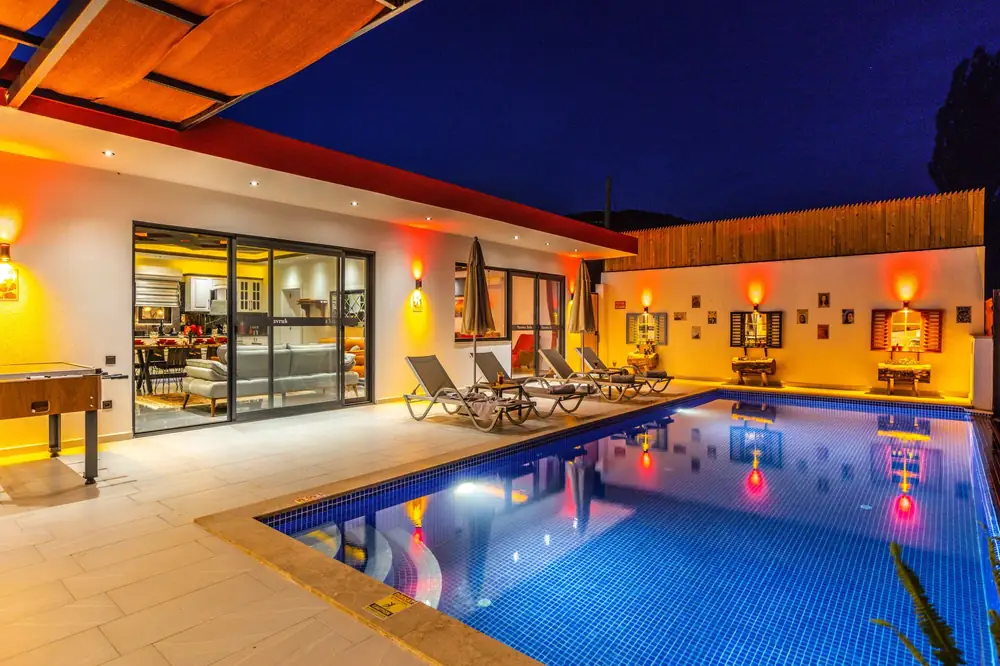
Pool Approvals & Safety Rules in NSW
A pool in Palerang has to satisfy three core New South Wales requirements, and laying them out removes most of the uncertainty. The first is approval. Pools on standard blocks usually proceed as Complying Development, with a Complying Development Certificate granted by a private certifier, the quicker of the two routes. More complex sites, or those caught by local planning controls, are approved through a Development Application assessed by Queanbeyan-Palerang Regional council. The second requirement is the safety barrier, governed by AS 1926.1. That standard sets a minimum fence height of 1200 millimetres, requires the gate to be self-closing and self-latching, and mandates a non-climbable zone around the barrier so children cannot get over it. The third is registration on the NSW Swimming Pools Register, a legal step that must be completed before the pool is filled and used, accompanied by a compliance certificate verifying the barrier. While the pool is being built, the site runs under SafeWork NSW rules. For a Southern Highlands and Shoalhaven homeowner, the comfort lies in how predictable this is: each obligation is defined, the order is the same on every job, and following it gives a Palerang pool that is compliant and safe to use from day one.
Pool Building Experience Across Queanbeyan-Palerang Regional
Behind every good pool in Palerang is a builder who knows the area, and that is what Aussie Pool Builder brings to Queanbeyan-Palerang Regional and the wider Southern Highlands and Shoalhaven. The team is licensed and insured for residential pool construction in New South Wales and works alongside local trades who understand the conditions across these suburbs. The value of that local grounding shows up throughout a build. Access is rarely uniform in Palerang, where side passages, slopes and shared driveways differ from one home to the next, and a builder who has navigated them before can plan excavation and craneage without guesswork. The ground varies just as much, with soil, rock and drainage across Queanbeyan-Palerang Regional affecting both the engineering and the cost, which is why an experienced eye on the site before digging is so useful. The approval route is another area where local knowledge pays off, since a build in New South Wales proceeds either as a Complying Development Certificate through a private certifier or as a Development Application through council, and the right choice depends on the specifics of the block. With compliant fencing to AS 1926.1 and listing on the NSW Swimming Pools Register also part of the picture, a builder who genuinely knows Palerang is well placed to deliver a sound, lasting pool.
Signs of a Dependable Palerang Pool Builder
Choosing a pool builder in Palerang is a decision worth approaching methodically, because the cost is high and the work is hard to undo. Licensing is the natural starting point: any builder doing residential work in New South Wales needs a current licence, and a homeowner can verify it through the NSW Fair Trading register rather than relying on a logo on a website. Insurance is the next layer, with current public liability cover being the protection that matters most during construction. Then there is the contract, which on a sound job spells out a fixed-price scope covering the shell, filtration, fencing, paving and any provisional sums in writing, leaving little room for unexpected charges later. Genuine local references, ideally from recent pools around Queanbeyan-Palerang Regional, give a sense of whether a builder delivers what it promises. It is just as important to recognise the warning signs, and the clearest of these is a request for a large cash deposit, which a reputable Palerang builder will not need. Reluctance to itemise inclusions or to show recent Southern Highlands and Shoalhaven projects points the same way. A dependable builder also explains the approval path plainly and accounts for the compliant fencing and pool registration that New South Wales requires.
Site Conditions That Shape a Palerang Pool
Every Palerang block brings its own conditions, and a sound pool build accounts for them from the outset. Access is usually the first thing assessed, because the width and fall of the side of the house govern what machinery can reach the yard; a tight passage common on older Queanbeyan-Palerang Regional lots may mean a smaller excavator, hand digging or a crane lifting equipment over the roof. The ground beneath matters just as much, since Southern Highlands and Shoalhaven soils range from sand to clay to shallow sandstone, and rock in particular adds time and cost to excavation while changing the engineering the shell requires. Slope is another consideration, as a sloping Palerang site may need retaining walls or a raised edge to sit the pool level, and established trees have to be protected or carefully removed with their roots in mind. The Queanbeyan-Palerang Regional council sets the rules a build must satisfy, and most pools proceed either as a Complying Development Certificate via a registered certifier or as a Development Application through council, depending on the property and the design. Reading the block, the soil, the slope and the local controls together is what keeps a Palerang pool build on track, and it is exactly the kind of judgement that comes from working in the area.
Building Pools in Southern Highlands and Shoalhaven, New South Wales
This region pairs the cool, high Southern Highlands around Bowral and Moss Vale with the warmer coastal Shoalhaven around Nowra and the Jervis Bay beaches. The Highlands sit at altitude with crisp summers, cold frosty winters and occasional snow, so the swim season there is short and heating is well worth it for a Palerang pool, while the coast is milder and runs from spring into autumn. Highland soils are heavy basalt and shale clay, reactive and slow to drain, needing engineered footings, whereas the Shoalhaven coast brings sand near the beaches and sandstone on the ridges. Parts of the Shoalhaven river flats are flood-prone, so finished levels deserve a check. A sheltered, sun-catching position lifts comfort in the cool Highlands, while coastal blocks suit corrosion-resistant fittings across Queanbeyan-Palerang Regional.
Palerang Pool Building FAQs
- What does a pool cost to build in Palerang?
- In Palerang, fibreglass pools commonly fall between $35,000 and $75,000 installed, and concrete pools between $55,000 and $120,000-plus, depending on size and finishes. Tricky access and soil conditions across Southern Highlands and Shoalhaven can shift the price, which is why an itemised, fixed-price scope for your exact Queanbeyan-Palerang Regional site gives the most accurate figure.
- Should I choose a concrete or fibreglass pool?
- Concrete pools offer full design freedom in any shape, size or depth and suit unusual or sloping Palerang blocks, but they cost more and take longer to build. Fibreglass pools install faster, cost less and need less maintenance, with a smooth gelcoat finish. The right choice in Queanbeyan-Palerang Regional comes down to your block, your budget and how you plan to use the pool.
- What is the typical pool build timeline in Palerang?
- Most pools in Palerang are finished within a few weeks to a few months, depending on type and complexity. Fibreglass is the quickest path to swimming; concrete takes longer because every stage is built in place. A clear construction schedule set before work starts keeps each Queanbeyan-Palerang Regional build on track from excavation to handover.
- Do I need council approval for a pool in NSW?
- Yes. Most pools in Palerang are approved either as a Complying Development Certificate through a private certifier or via a Development Application lodged with Queanbeyan-Palerang Regional council. The pathway depends on your block size, setbacks and any local controls. Approval is part of any properly run pool build in New South Wales.
- What is the timeframe for getting a pool approved in NSW?
- A Complying Development Certificate is the quicker route in New South Wales and can be issued in weeks when the pool meets all the relevant criteria. A Development Application with Queanbeyan-Palerang Regional council usually runs longer because of the formal assessment process. Site complexity, setbacks and how complete the lodged documents are all influence the timeframe in Palerang.
- What are the pool fencing rules in NSW?
- Every pool in New South Wales must have a compliant child-safety barrier that meets the AS 1926.1 standard. That means the correct fence height, a gate that is both self-closing and self-latching, and non-climbable zones kept clear around the barrier. Once built, the pool must also be listed on the NSW Swimming Pools Register before it can be filled and used.
- How much does it cost to run a pool in Palerang?
- Expect regular outlays for power, water balancing chemicals and top-up water, with heating adding to the total when used. Choosing an efficient variable-speed pump, a salt or mineral chlorination system and a cover reduces day-to-day running costs across the year. Maintenance is straightforward on a well-built Palerang pool with quality equipment in Queanbeyan-Palerang Regional.
- Can you build a pool on a small or sloping Palerang block?
- Yes. Plunge pools and compact lap pools are designed for small Palerang courtyards and narrow side spaces, making the most of a tight footprint. Sloping Southern Highlands and Shoalhaven sites are handled with retaining, engineered footings or elevated decking. An on-site assessment of access, soil and slope determines the best design for the block.
- What pool heating options work in Palerang?
- Heating lets a Palerang household swim for far more of the year. Solar collectors suit homes with good roof exposure, heat pumps draw warmth from the air efficiently, and gas suits fast or intermittent heating. The right choice depends on pool size, budget and how often it is used, and a cover sized to the pool makes any system in Queanbeyan-Palerang Regional work harder.
- Saltwater, mineral or chlorine: which pool system is best?
- A saltwater system generates chlorine from a small amount of salt, so there is no handling of harsh chemicals and the water feels softer. Mineral systems use magnesium and potassium for water that is gentler again on skin and eyes. Traditional chlorine is dosed manually and is the lowest-cost setup. Many Palerang homes choose salt or mineral for comfort and easier upkeep.
- What is included in a typical pool build, and what site access is needed?
- A standard Palerang build typically covers design, approval, set-out and excavation, the pool shell, plumbing and filtration, a compliant safety barrier, paving and the interior finish. Machinery needs clear side access to reach the dig, and a fibreglass shell requires room for a crane to swing in. An itemised scope sets out exactly what the fixed price includes on your Queanbeyan-Palerang Regional block.
- Are pools built in Palerang covered by a warranty?
- All work is covered by warranty, with full builder licensing and insurance held in NSW. Concrete pools carry a structural warranty on the build, and fibreglass shells add the maker's warranty on top. The exact inclusions, terms and durations are detailed in the written contract so the cover on your Queanbeyan-Palerang Regional pool is clear from the outset.
Pool Builders Near Palerang
Araluen North Pool Builders
Ballalaba Pool Builders
Bendoura Pool Builders
Berlang Pool Builders
Bombay Pool Builders
Boro Pool Builders
Braidwood Pool Builders
Budawang Pool Builders
Charleys Forest Pool Builders
Corang Pool Builders
Durran Durra Pool Builders
Farringdon Pool Builders
Gundillion Pool Builders
Harolds Cross Pool Builders
Hereford Hall Pool Builders
Jembaicumbene Pool Builders
Jerrabattculla Pool Builders
Jinden Pool Builders
Jingera Pool Builders
Kain Pool Builders
Kindervale Pool Builders
Krawarree Pool Builders
Larbert Pool Builders
Majors Creek Pool Builders
Manar Pool Builders
Marlowe Pool Builders
Monga Pool Builders
Mongarlowe Pool Builders
Mulloon Pool Builders
Neringla Pool Builders
Nerriga Pool Builders
Northangera Pool Builders
Oallen Pool Builders